
Residential heating and cooling systems represent the single largest energy draw in most homes today, frequently accounting for over 50 percent of total household power consumption. As energy utility rates continue to climb and environmental sustainability becomes an increasingly central priority for property owners, managing home climate control systems efficiently has evolved from a simple budget consideration into an essential green living habit. Modern residential heating, ventilation, and air conditioning equipment is engineered for exceptionally high thermal efficiency, but hardware design is only half of the performance equation; daily household habits, operational strategies, and proactive maintenance routines dictate actual energy consumption and environmental impact over the lifetime of the system.
Creating an eco-friendly living environment does not require sacrificing indoor thermal comfort or daily convenience. By adopting proactive, low-emission climate control habits, homeowners can significantly reduce energy waste, minimize fossil fuel dependency, lower greenhouse gas emissions, and extend the operational lifespan of their heating and cooling infrastructure. Combining smart technology with routine operational discipline creates a synergistic whole-house system where personal comfort and environmental stewardship reinforce each other seamlessly.
This comprehensive guide explores actionable, environmentally conscious habits designed to optimize home heating and cooling efficiency. From intelligent thermostat management and ductless heat pump care to seasonal preventative maintenance and professional system audits, these detailed strategies will help you build a low-emission, highly cost-effective home.
Optimizing Daily Habits for Sustainable Thermal Comfort

The daily operational habits of a household determine baseline energy consumption. Small, consistent adjustments to setpoints, air distribution pathways, and thermal insulation can yield dramatic reductions in monthly utility bills without compromising daily indoor comfort for family members.
Mastering Smart Thermostat Schedules and Setpoint Adjustments
Thermostat management remains one of the simplest yet most effective tools for curbing residential energy waste. The U.S. Department of Energy estimates that adjusting thermostats by 7 to 10 degrees Fahrenheit from their baseline settings for eight hours a day can save up to 10 percent annually on heating and cooling costs.
-
The 8-Degree Setback Strategy: During winter months, set thermostats to 68°F while occupants are awake and lower the setpoint significantly while sleeping or away from home. In summer, maintain a baseline setting of 78°F when homes are occupied and allow indoor temperatures to rise when the house is empty to avoid cooling unoccupied space.
-
Leveraging Smart Automation Features: Modern Wi-Fi smart thermostats learn household routine schedules automatically, utilize geofencing technology to adjust temperatures as occupants approach or leave the property, and implement adaptive recovery features that reach target temperatures using the lowest possible energy state.
-
Integrating Comprehensive HV AC Services: Installing smart climate controls is most effective when paired with expert system calibration. Utilizing professional HVAC services ensures that smart thermostats are wired correctly to multi-stage or variable-speed equipment, preventing aggressive auxiliary electric resistance heat from kicking on unnecessarily during cold-weather recovery cycles.
Utilizing Passive Thermal Management Techniques
Mechanical climate control systems should supplement, rather than replace, passive thermal regulation strategies within the building envelope.
-
Solar Heat Gain Management: During hot summer months, close south- and west-facing blinds, shades, and thermal curtains during peak daylight hours to block radiant solar heat from entering living spaces. In winter, open window coverings during sunny afternoons to naturally warm interior rooms before closing them at sunset to trap residual heat.
-
Optimizing Ceiling Fan Airflow: Adjust ceiling fan motor direction seasonally—counterclockwise at higher speeds during summer to create a cooling wind-chill effect across skin, and clockwise at low speeds during winter to push warm air trapped near high ceilings back down into living areas.
-
Enlisting Guidance from Local HVAC Companies: Passive thermal efficiency depends heavily on proper balanced air circulation throughout the building. Partnering with established local hvac companies allows homeowners to evaluate overall home air balance, identify hidden airflow restrictions, and install motorized dampers that optimize conditioned air delivery across multiple distinct home zones.
Maximizing Efficiency with Ductless Heat Pump Technology
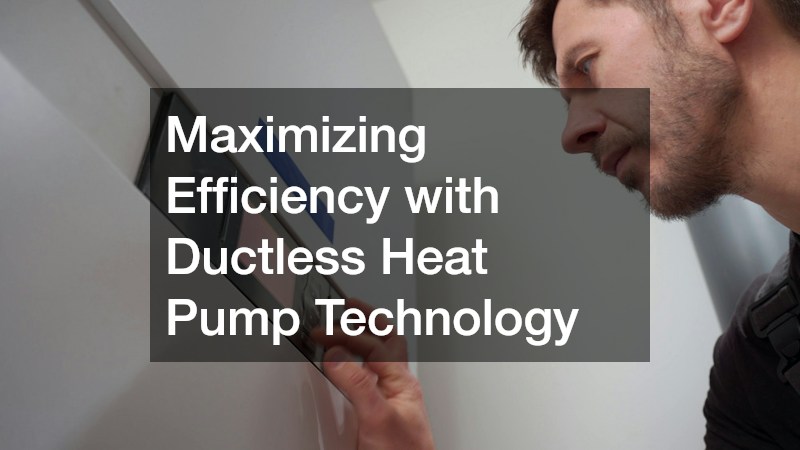
Ductless mini split systems represent a major leap forward in sustainable home climate control technology. By transferring heat rather than generating it through fossil fuel combustion, modern electric heat pumps deliver up to 300 percent efficiency, making them an ideal cornerstone for green homes committed to decarbonization.
Adopting Zone-Based Climate Control Strategies
Traditional central ducted heating and cooling systems heat or cool an entire house identically, regardless of room occupancy or actual usage patterns. Ductless mini split systems allow for precise, room-by-room thermal management.
-
Eliminating Energy Waste in Unused Zones: Zoned mini split systems allow homeowners to turn down heating or cooling in guest rooms, formal dining areas, basement storage spaces, or home offices when unoccupied, while keeping high-use areas like kitchens and bedrooms at ideal comfort levels.
-
Leveraging Inverter Compressor Technology: Unlike traditional single-stage compressors that continuously cycle on and off at full power, inverter-driven mini split heat pumps modulate their motor speed continuously. This micro-adjustment capability maintains exact indoor temperatures using a fraction of the electricity required by legacy systems.
-
Precision Sizing and Professional Installation: To achieve maximum energy efficiency and indoor humidity control, mini split heat pumps must be selected based on exact room volume, insulation quality, ceiling height, and window orientation. Improperly sized units short-cycle rapidly, leading to high indoor humidity, excessive wear, and elevated power draw.
Establishing Proactive Maintenance Routines for Ductless Systems
Because ductless indoor wall units handle high volumes of recirculated room air continuously, keeping their internal coils and air filters clean is essential for maintaining high published SEER2 and HSPF2 energy efficiency ratings.
-
Bi-Weekly Filter Scouring: Washable mesh air filters inside indoor wall units collect household dust, pet dander, and airborne particles rapidly. Cleaning these filters every two to four weeks prevents restricted airflow, which forces blower motors to work harder and can cause indoor evaporator coils to freeze up.
-
Scheduling Professional Mini Splits Maintenace: Outdoor condenser units and indoor blower wheels accumulate microscopic organic buildup over time. Booking routine mini splits maintenace ensures deep chemical coil cleaning, condensate drain line flushing, and fan wheel balancing, keeping heat transfer rates at peak factory levels year after year.
Seasonal Maintenance and Proactive Equipment Care
Preventative mechanical maintenance is the bedrock of energy-efficient home operation. Neglected heating and cooling equipment degrades by roughly 5 percent in operational efficiency every year, increasing power consumption and accelerating internal component wear.
Scheduling Routine Tune-Ups to Prevent Energy Spikes
A well-maintained air conditioner or furnace operates quietly and efficiently, while a neglected unit wastes electricity overcoming internal mechanical friction, restricted airflow, and dirty heat exchangers.
-
Refrigerant Level and Electrical Audits: Low refrigerant charge due to microscopic pinhole leaks causes cooling compressors to run continuously, driving up power bills while failing to cool the home effectively. Routine technical inspections verify exact factory refrigerant levels and tighten loose electrical connections.
-
Blower Assembly and Coil Cleaning: Dust accumulation on evaporator coils acts as an insulating blanket, preventing efficient thermal absorption. Cleaning coils and blower assemblies restores proper thermal transfer and maintains smooth, unobstructed airflow.
-
Enrolling in Professional AC Services: Comprehensive seasonal tune-ups go far beyond simple air filter swaps. Professional AC services include testing system static pressure, inspecting ductwork connections for air leaks, calibrating safety controls, and lubricating moving fan parts to minimize electrical resistance.
Addressing Performance Drops with Rapid System Repairs
Ignoring subtle warning signs from an HVAC system usually leads to catastrophic mechanical failures and inflated monthly utility bills.
-
Recognizing Early Mechanical Warning Signs: Unusual squealing, grinding, or clicking sounds, sudden short-cycling, uneven room cooling, or unexpected spikes in electric bills indicate that internal components are failing or operating under severe mechanical strain.
-
Securing Timely AC Repair Services: Promptly addressing minor mechanical issues—such as failing run capacitors, clogged condensate drain lines, or worn blower belts—prevents secondary damage to expensive compressors. Utilizing certified ac repair services restores peak system efficiency before small electrical faults cause total system breakdowns during summer heatwaves.
Partnering with Certified Professionals for Green Upgrades

Achieving a low-emission, energy-efficient home requires close collaboration with skilled, certified climate control experts who understand modern green building standards, load calculation methodologies, and electrification strategies.
-
Demanding Precise Manual J Load Calculations: Rule-of-thumb equipment sizing leads to oversized units that turn on and off rapidly, failing to dehumidify indoor air and consuming excess starting current. Certified technicians calculate heat loss and gain based on home insulation levels, window ratings, airtightness, and square footage.
-
Comprehensive Building Envelope Audits: Experienced HVAC contractors look beyond mechanical units to evaluate attic insulation depth, window seal integrity, and ductwork air leakage. Sealing leaky supply and return ducts can improve overall heating and cooling system efficiency by up to 30 percent while improving indoor air quality.
-
Vetting Qualified HVAC Contractors: Select service providers who hold NATE (North American Technician Excellence) certifications and possess extensive experience installing high-efficiency, variable-speed heat pumps, dual-fuel hybrid systems, and smart multi-zone control networks.
Choosing Experienced Cooling Specialists for High-SEER Installations
When replacing aging air conditioning units, selecting equipment with high Seasonal Energy Efficiency Ratio (SEER2) ratings guarantees maximum long-term power savings.
-
Evaluating Efficiency Metrics: Modern high-efficiency cooling units feature SEER2 ratings ranging from 16 to over 25. Upgrading from an older 10-SEER unit to a modern 20-SEER system can cut cooling electrical consumption by 50 percent or more each summer.
-
Ensuring EPA-Compliant Refrigerant Handling: Replacing older cooling systems requires safe, certified recovery of legacy R-22 or R-410A refrigerants to prevent environmental damage and ozone depletion.
-
Partnering with Certified Air Conditioning Contractors: Proper installation is just as critical as the equipment rating itself. Working with trained air conditioning contractors ensures proper line set evacuation, precise nitrogen-purged brazing, and accurate airflow balancing, guaranteeing your new system achieves its published efficiency ratings.
Sustainable Winter Heating and Whole-Home Efficiency
Winter heating represents the most energy-intensive portion of annual utility expenditures in cold climate regions. Establishing eco-friendly winter operating habits minimizes fossil fuel reliance while maintaining consistent, comfortable indoor warmth.
Optimizing Heating Equipment Performance in Cold Weather
Cold-climate heat pumps and high-efficiency condensing gas furnaces require specific operational adjustments to maintain high seasonal performance factors (HSPF2) during winter freezing temperatures.
-
Maintaining Unobstructed Air Registers and Filters: Ensure supply vents and return grilles are free of furniture, rugs, and drapes. Replacing furnace air filters every 30 to 60 days during peak winter months prevents severe airflow restriction, protecting heat exchangers from dangerous overheating.
-
Managing Defrost Cycles and Auxiliary Heat: In electric heat pump systems, auxiliary electric resistance heat strips consume massive amounts of power when engaged. Calibrating outdoor sensor controls prevents backup heat strips from engaging unless outdoor temperatures drop below specific thermal balance points.
-
Scheduling Seasonal Heating Service Visits: Annual autumn inspections verify burner combustion efficiency, check heat exchangers for safety cracks, and calibrate electronic ignition controls. Booking a comprehensive Heating service before severe winter weather arrives ensures safe, low-emission heating all season long.
Partnering with Established Climate Control Companies for Long-Term Value
Building a sustainable, high-efficiency home requires a long-term partnership with reputable, licensed contractors who prioritize energy conservation and customer education.
-
Evaluating Environmental Credentials and Warranties: Choose climate control partners who offer ENERGY STAR-certified equipment, participate in local utility energy efficiency rebate programs, and provide extended labor and parts warranties.
-
Securing Long-Term Preventative Maintenance Contracts: Enrolling in an annual maintenance agreement guarantees biannual tune-ups, priority emergency response, and continuous system monitoring, ensuring your heating and cooling equipment operates at peak efficiency year after year.
-
Working with a Trusted Air Conditioning Company: Developing a continuous relationship with a full-service air conditioning company ensures that your home’s complete climate control infrastructure—from ductwork and indoor air quality devices to heat pumps and furnaces—is managed cohesively for maximum sustainability, safety, and comfort.
Adopting eco-friendly HVAC habits is one of the most impactful ways homeowners can reduce their environmental footprint while cutting monthly energy costs. By combining smart thermostat management, zone-based climate control, and passive thermal design with proactive seasonal maintenance, you create a home environment that balances luxury, comfort, and sustainability.
Achieving lasting energy efficiency is a continuous partnership between smart daily home habits and professional equipment care. Routine filter changes, timely mechanical repairs, and expert system audits work together to preserve equipment efficiency and extend operational lifespans.
Investing in green climate control practices delivers immediate and long-term dividends. Lower utility bills, improved indoor air quality, and reduced carbon emissions make sustainable HVAC management an essential habit for every modern homeowner committed to protecting both their property and the planet.